Before You Open the Hive
A smooth inspection starts with preparation. Before you head to the apiary, gather all your equipment and have a plan for what you want to check. Random, aimless poking through the hive stresses both you and the bees.
Equipment Checklist
Step 1: Approach and Smoke
Approach the hive from the side or rear — never block the flight path at the entrance. Give 2-3 gentle puffs of smoke at the entrance and wait 30-60 seconds. The smoke triggers bees to gorge on honey (preparing for a potential move), making them less defensive.
Step 2: Remove the Outer Cover
Gently pry off the outer cover and inner cover. A puff of smoke across the top bars before removing the inner cover calms the bees further. Set covers aside on the ground, upside down, to serve as a temporary resting place for frames.
Step 3: Start With an Outer Frame
Always start by removing an outer frame (usually a honey or pollen frame, not brood). This creates space to slide other frames without rolling bees. Hold frames over the hive — if the queen falls off, she falls back into the hive rather than onto the ground.
Step 4: Work Through the Brood Nest
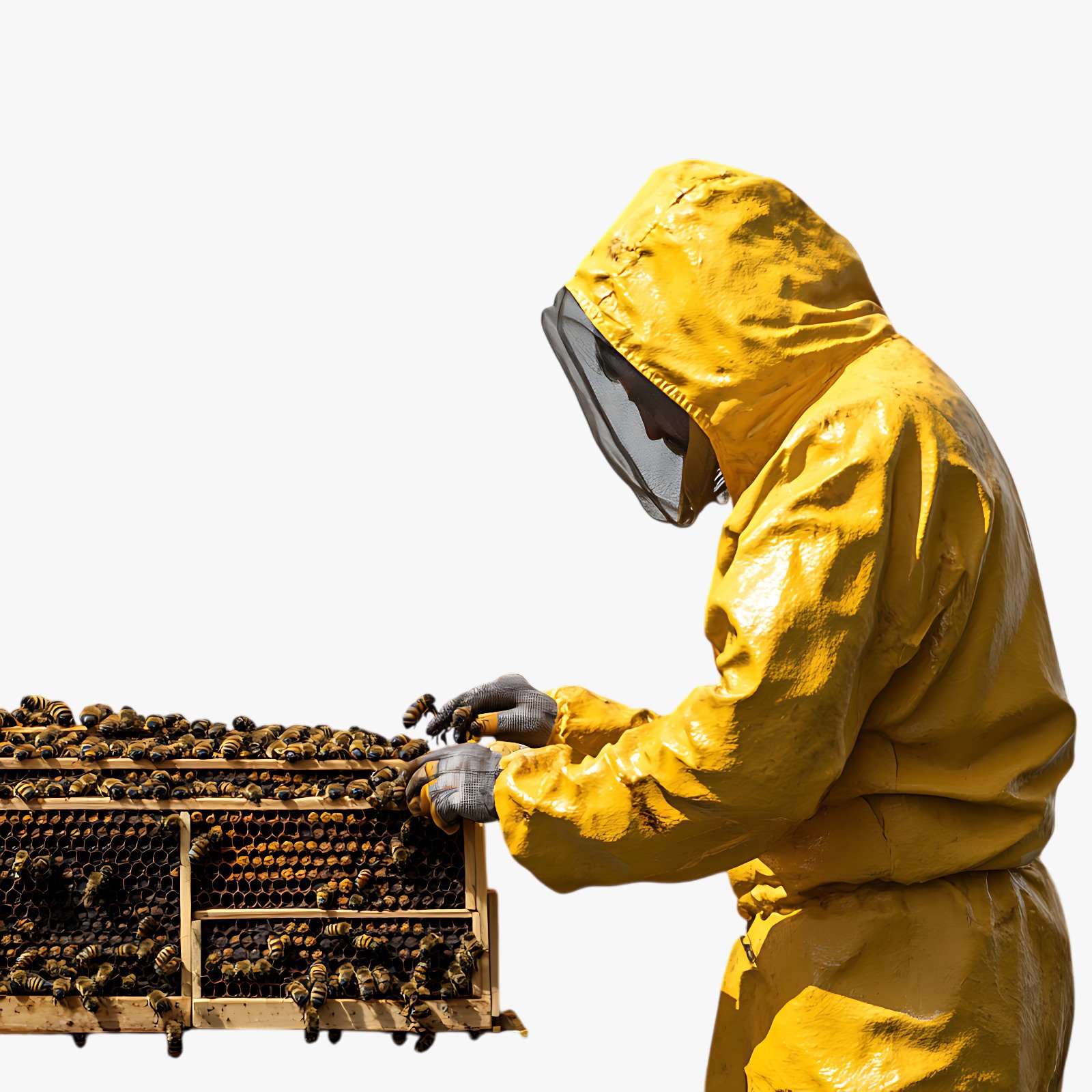
Slide frames one at a time, examining both sides. Look for:
Step 5: Check Food Stores
Frames outside the brood nest should contain honey and pollen. Hefting frames gives you a feel for weight — heavy frames are full of stores. In spring, if stores are light, consider feeding sugar syrup.
Step 6: Reassemble and Record
Replace frames in the same order you found them. Replace the inner and outer covers. Step away from the hive and record your observations while they're fresh.
Timing Tips
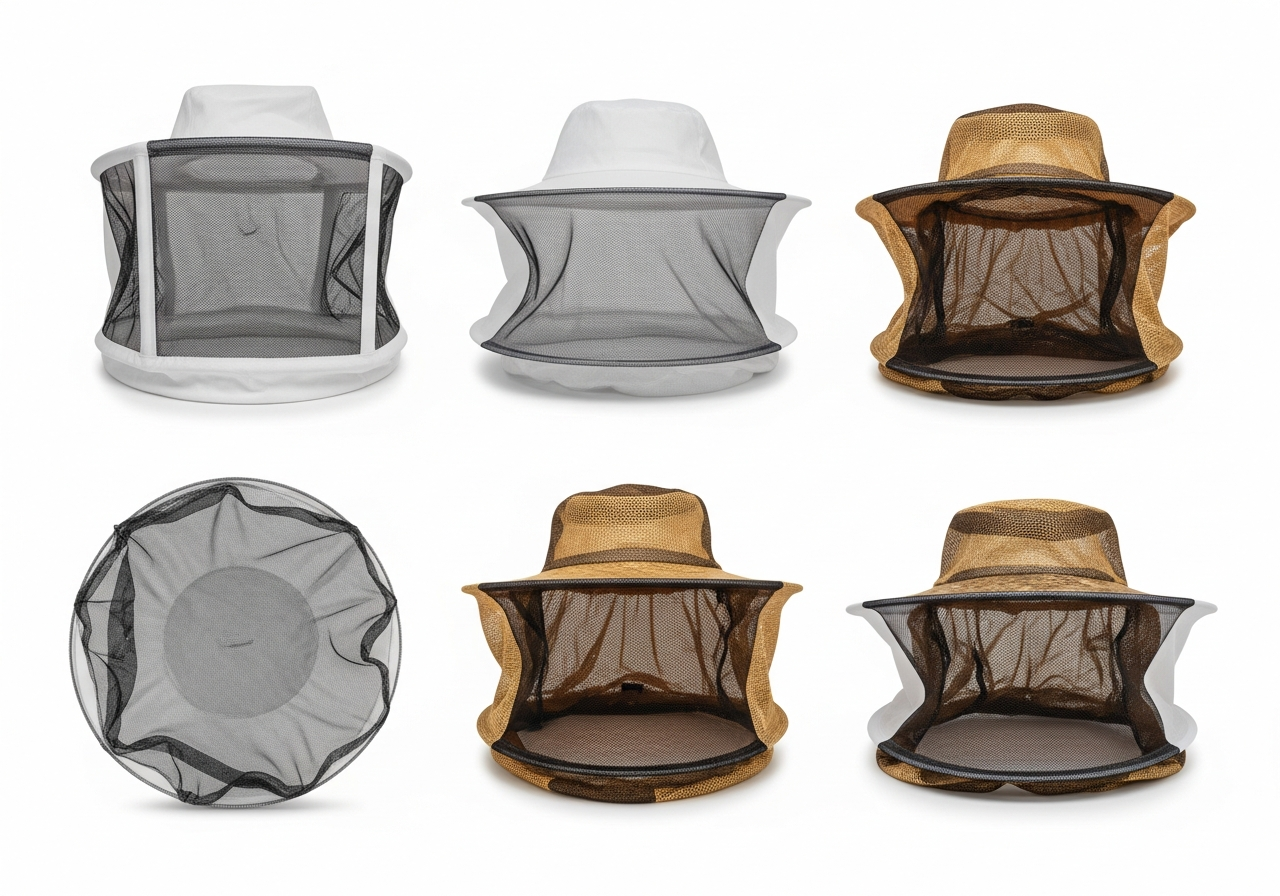
Proper protection is essential for safe inspections. Check out our full range of protective equipment to gear up right.